
Africa marks one year of historic malaria vaccine rollout
January 2025 marks a major milestone in the fight against malaria, as African countries celebrate the first anniversary of the large-scale introduction of malaria vaccines into routine immunization programs.
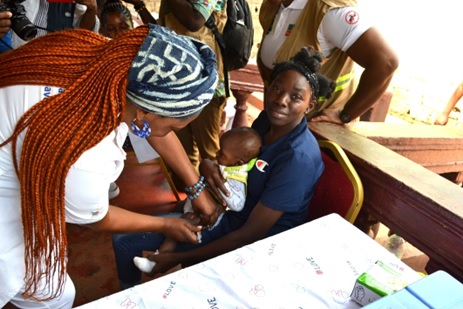 Cameroon led the way in January 2024 with the national rollout of the RTS,S/AS01 malaria vaccine, quickly followed by Burkina Faso in February. By the end of 2024, at least 17 countries across the continent had introduced one of the two vaccines (the second vaccine being R21/Matrix-M) into their national immunization schedules, targeting children in high and moderate malaria burden areas with a four-dose regimen.
The unprecedented rollout, made possible through funding from Gavi, the Vaccine Alliance, and technical support from the World Health Organization (WHO) and partners such as UNICEF, PATH, AMP, and Jhpiego, aims to reduce the high toll of malaria in children. Malaria remains one of the leading causes of illness and death among African children, claiming over 432,000 young lives every year.
In 2025, momentum continues to grow. Gavi has already opened three application windows—in January, May, and September—for countries seeking funding to introduce or scale up malaria vaccination programs. It is projected that eight more African countries will begin introducing malaria vaccines this year, while nine others are expected to expand their vaccination coverage, pending grant approvals or decision letters from Gavi.
The vaccines have proven highly effective. Clinical studies show that these two vaccines prevent over half of malaria cases in the critical first year after vaccination—when children are most vulnerable.
Prior to the continent-wide rollout, the RTS,S/AS01 vaccine was piloted between 2019 and 2023 in Ghana, Kenya, and Malawi through the Malaria Vaccine Implementation Programme (MVIP), reaching over 2 million children. Following encouraging results, the RTS,S/AS01 vaccine was prequalified by WHO in July 2022, and the R21/Matrix-M vaccine followed in December 2023.
As the malaria vaccine initiative expands, countries continue to integrate it with other proven malaria control strategies, including mosquito nets, indoor insecticide spraying, and seasonal malaria chemoprevention. Together, these interventions mark a significant leap toward reducing malaria’s devastating impact on African children.
-----
Authors:
Hilaire DADJO (
Photo caption & credits: A woman in Cameroon gets her child vaccinated in January 2025 – Hilaire Dadjo (WHO/IST West)