
Celebrating milestones in public health: Nepal's journey to sustained elimination of maternal and neonatal tetanus
Nepal has reaffirmed its success in maintaining the elimination of Maternal and Neonatal Tetanus (MNT), a milestone first achieved in 2005. A recent post-validation assessment conducted in December 2024 confirmed that the country continues to maintain an incidence rate of less than one case per 1,000 live births in all districts nationwide.
The assessment was carried out under the leadership of the Family Welfare Division (FWD) of the Ministry of Health and Population (MoHP), with technical and financial support from the World Health Organization (WHO)-Nepal and key stakeholders, including UNICEF. The evaluation aligns with the South-East Asia Regional Vaccine Implementation Plan (2022-2026) and the recommendations of the National Immunization Advisory Committee (NIAC) and the South-East Asia Regional Immunization Technical Advisory Group (SEAR-ITAG).
As part of the assessment process, a comprehensive desk review was conducted, followed by national-level briefings, field visits, district-level debriefings, and the dissemination of findings. Three districts were selected for field assessments based on a joint risk assessment, with expert teams from WHO Headquarters, WHO South-East Asia Regional Office (SEARO), WHO Country Office, and UNICEF leading the evaluations. The teams visited three health offices, six health facilities, and six communities, where they interviewed 84 women who had given birth in the past two years. Using standardized checklists, the teams assessed immunization service delivery, cold chain management, surveillance systems, and antenatal care (ANC) and delivery practices.
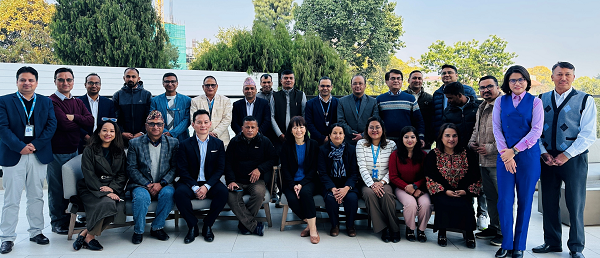
During the national dissemination event held on December 16, 2024, senior government officials from FWD were briefed on the findings. The assessment confirmed that Nepal has successfully sustained its MNT elimination status. The joint team also provided key recommendations to ensure long-term sustainability, including:
- Introducing a booster dose of the tetanus vaccine in the second year of life
- Integrating neonatal tetanus (NT) death reporting into existing maternal and perinatal death surveillance systems
- Strengthening community awareness on ANC services and clean delivery practices
- Developing tracking mechanisms for all targeted pregnancies
- Including MNT elimination efforts in regular program monitoring and supportive supervision, with time-bound feedback from higher-level health officials
This milestone reflects the ongoing success of Nepal’s National Immunization Program (NIP), made possible through the dedicated efforts of frontline healthcare workers and the unwavering commitment of both local and national health authorities. The government remains committed to sustaining this achievement, ensuring that every mother and newborn across the country is protected from tetanus.
----
Authors and Contributors: Dr Neemesh Khatiwada, National Officer for Polio Programme, WHO-CO Nepal Dr Bibek Kumar Lal and Dr Abhiyan Gautam, Director and Chief CHISS-FWD Dr Balwinder Singh Chawla and Dr Pasang Rai, MO-EPI and NPO-Surveillance, WHO-CO Nepal
Photo: High level government officials and stakeholders during the national level briefing meeting (WHO Nepal)