
Central African Republic eliminates maternal and neonatal tetanus
The Central African Republic has achieved the elimination of maternal and neonatal tetanus (MNT), marking a major public health milestone for a country that, at the end of 2025, was among only eight worldwide yet to validate elimination of the disease.
This achievement follows three nationwide tetanus vaccination campaigns conducted between 2020 and 2022, as well as a pre-validation assessment in 2025. The final validation survey was carried out in Bossangoa Health District, identified as one of the areas at highest risk of maternal and neonatal tetanus in the country.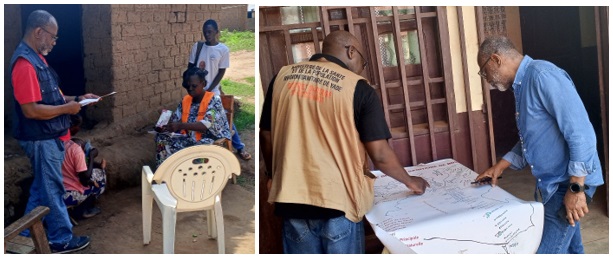
The exercise mobilized health personnel from all levels of the national health system, with technical support from WHO and UNICEF and the participation of an independent international consultant.
Using the WHO-recommended Lot Quality Assurance–Cluster Sampling methodology, survey teams visited 4,895 households and identified 1,702 eligible live births and 61 neonatal deaths. None of the neonatal deaths was attributable to neonatal tetanus.
The findings also showed high levels of maternal protection against tetanus: 89% of mothers had received at least two doses of tetanus–diphtheria vaccine, exceeding the 80% threshold recommended by WHO.
The survey found that 66% of births were attended by skilled health personnel and 64% took place in health facilities. However, home births and some traditional umbilical cord-care practices remain common, highlighting areas where further progress is needed.
Infections, sepsis and birth asphyxia were identified as the leading causes of neonatal deaths, with no confirmed cases of neonatal tetanus.
Based on the findings and the satisfactory quality of the survey, the evaluation team concluded that maternal and neonatal tetanus had been eliminated in Bossangoa Health District and, by extension, throughout the Central African Republic during the period from 1 June 2025 to 31 May 2026.
Sustaining this hard-won achievement will require continued investment in routine immunization, skilled and facility-based childbirth, high-quality neonatal care and strong disease surveillance. These efforts will be essential to protect mothers and newborns and prevent maternal and neonatal tetanus from returning.
-----
Further information here.
Authors:
Konzelo Arsène; Ndanga Saint Cyr; Toure Alhassane; Poda Gnimbar; Bita Andre – WHO AFRO
Mr. Yusuf, International Consultant
Photo 1: Monitoring in Bossangoa centre
Photo 2: Identifying clusters before teams are deployed in the field