
Guides to combat false information about vaccines
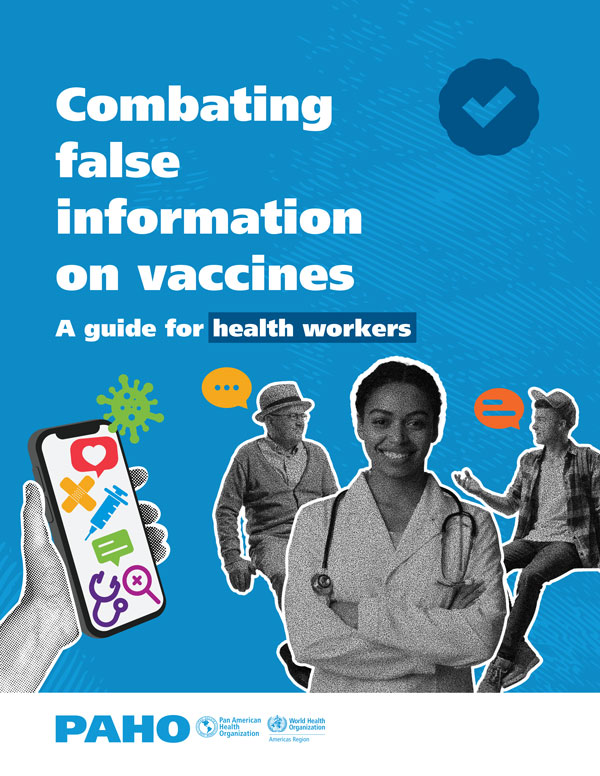 The Pan American Health Organization/World Health Organization (PAHO/OMS) is providing health workers and other professionals with new resources to help them combat vaccine misinformation, a growing issue that can negatively influence public opinion and vaccination decisions.
PAHO has created specific guides tailored to various audiences, including health workers at different levels, journalists, educators, and content creators. According to Dr. Daniel Salas, PAHO's Executive Manager of the Special Program, Comprehensive Immunization (CIM): “even brief exposure to misinformation can sway people's views on vaccination”.
The new materials are designed to help users identify and respond to common misinformation tactics. These tactics include appealing to emotions, promoting conspiracy theories, discrediting experts, using anecdotes instead of evidence, and twisting facts to make vaccines seem dangerous. The guides also point out signs of false content, like poor spelling and grammar, excessive use of punctuation, and misleading headlines. Health workers, as trusted sources of information, play a crucial role in boosting vaccine acceptance.
For this reason, PAHO has a special focus on materials for health workers, offering guidance on how to address patients' doubts rooted in misinformation. Separate guides offer journalists tips on providing balanced coverage and educators’ ideas for classroom activities to improve media and health literacy. While fighting misinformation is a key step, Dr. Salas cautions that it's not a complete solution. Human behavior is complex, and other factors like logistical barriers and community norms also affect vaccination rates. PAHO encourages countries to also use its guidance on the Social and Behavioral Drivers of Vaccination to get a comprehensive view of the challenges in their communities.
For more information: https://www.paho.org/en/topics/immunization/immunization-toolkit/risk-communication-and-community-engagement-rcce
----
Author: Beatriz Velasco, WHO PAHO