
Study in Nigeria shows needle-free injection of IPV is effective at increasing coverage, decreasing program costs, and is feasible for routine immunization use
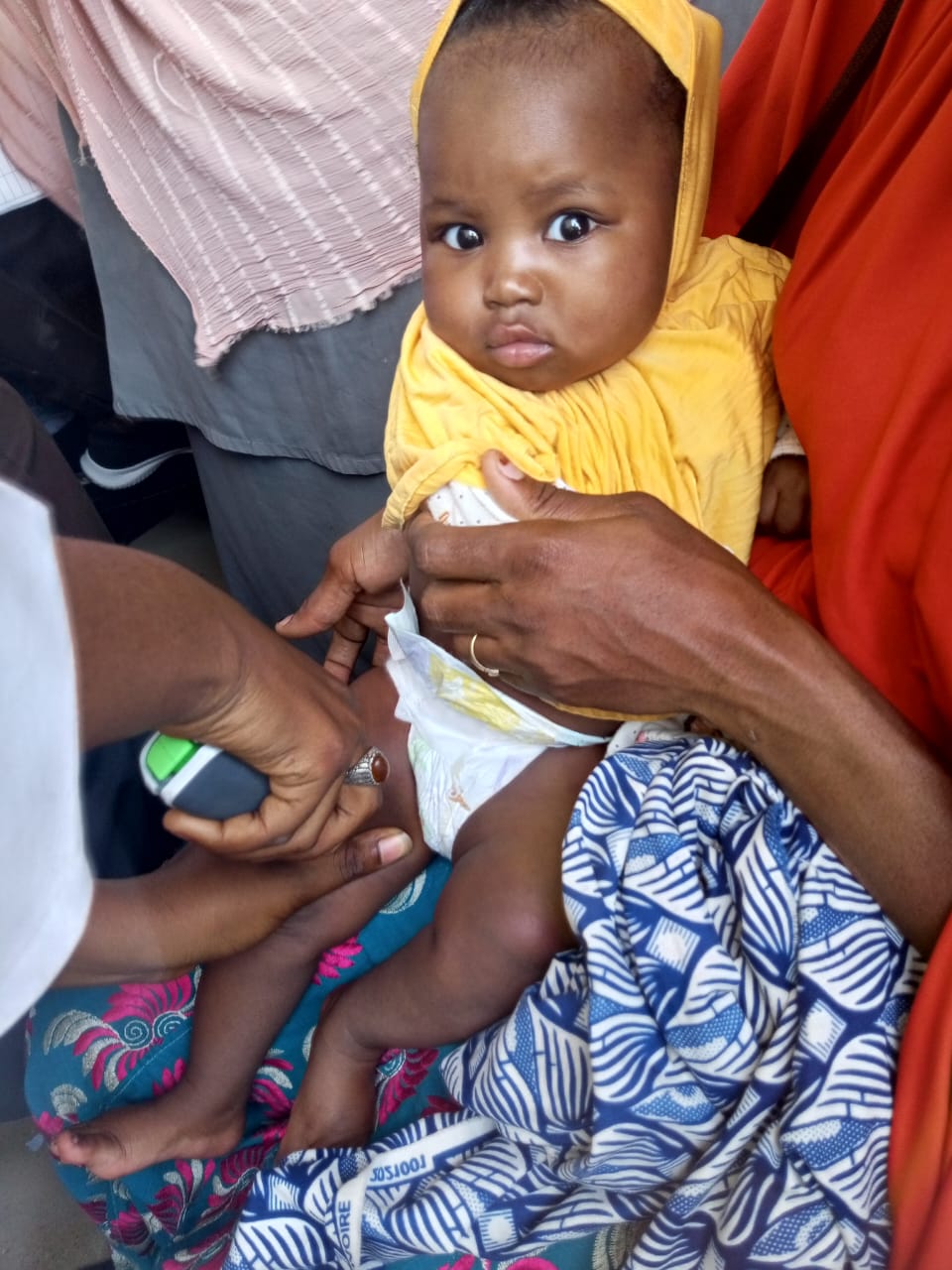
Abuja, Nigeria – A groundbreaking study has found that needle-free, intradermal delivery of the inactivated polio vaccine (IPV) has the potential to significantly improve vaccination coverage and reduce costs in routine immunization programs. The findings offer a promising path forward for strengthening polio eradication efforts and expanding access to immunization in resource-limited settings.
Since 2019, fractional-dose IPV (fIPV) delivered intradermally without needles has played an important role in polio campaigns across Pakistan, Nigeria, and Somalia—helping stretch limited vaccine supplies while reaching more children. Building on this success, a multi-year grant awarded in September 2022 by the U.S. Agency for International Development (USAID) supported efforts to evaluate whether the benefits of this approach extend to routine immunization programs.
The implementation research study, conducted in partnership by PharmaJet, Jhpiego, PATH, Sydani Group, and Nigeria’s National Primary Health Care Development Agency (NPHCDA), focused on comparing needle-free delivery using the PharmaJet® Tropis® ID Injection System to the standard full-dose intramuscular injection with needle and syringe.
Key findings from the study include:
Improved Vaccine Coverage:
- Among those vaccinated with Tropis, IPV2 coverage was 11.2% higher vs. SoC (per protocol analysis). On a relative basis, the odds of receiving 2 IPV doses double with Tropis delivery.
Decreased immunization program cost:
- Needle-free incremental savings could range from $0.07 to $1.00/dose administered (up to 47% total immunization cost savings vs. SoC). Switching to needle-free fIPV could potentially save the Nigeria Immunization program ~$50M USD over 5 years.
High Acceptability and Feasibility:
- Tropis was highly acceptable to caregivers (94%).
- 97% of healthcare workers preferred Tropis to N/S for routine immunization, citing Tropis was easier to use (95%) and the perception children experienced less discomfort or crying (94%).
As countries continue their push toward polio eradication, the results of this study offer a compelling case for the use of Tropis in routine immunization.
Further resources: Grant: Evaluating the Impact of a Needle-Free Delivery Device on Polio Immunization
-----
Authors: Paul LaBarre, Vice President Global Business Development - PharmaJet, and Catherine Daly, independent consultant for PharmaJet
Photo caption & credits: Child receiving routine polio immunization with PharmaJet Tropis ID Needle-free System as part of an implementation study in Nigeria - PharmaJet