
Africa Free of Meningitis A Outbreaks Since 2017
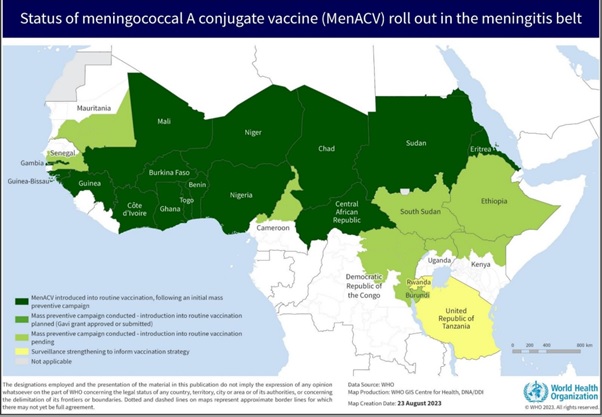
Epidemics of meningitis have long posed a serious health threat to countries across Africa, particularly within the so-called "African meningitis belt." The most devastating outbreak occurred in 1996, when an epidemic caused primarily by Neisseria meningitidis serogroup A infected over 200,000 people and claimed more than 20,000 lives.
However, in a remarkable public health achievement, no cases of serogroup A meningitis have been detected in the region since 2017. This milestone is largely credited to the introduction of the meningitis A conjugate vaccine, MenAfriVac (MenACV), which was rolled out first through preventive mass vaccination campaigns and later incorporated into routine immunization schedules.
Between 2010 and 2023, 24 countries within the African meningitis belt conducted mass vaccination efforts using MenAfriVac, reaching over 350 million individuals aged 1 to 29. Additionally, 15 of those countries have successfully integrated the vaccine into their national immunization programs to sustain protection.
Health officials are now working to maintain and expand this progress. As part of ongoing efforts, Nigeria and Niger began deploying the multivalent meningococcal conjugate vaccine Men5CV (ACWXY) in 2024 for reactive vaccination. The vaccine, which was prequalified by the World Health Organization (WHO) in July 2023, targets five major serogroups and is expected to further strengthen defenses against future outbreaks.
Experts stress that continued commitment to routine immunization and rapid response strategies will be key to eliminating meningitis epidemics in the region altogether.
-----
Authors: Hilaire DADJO (